
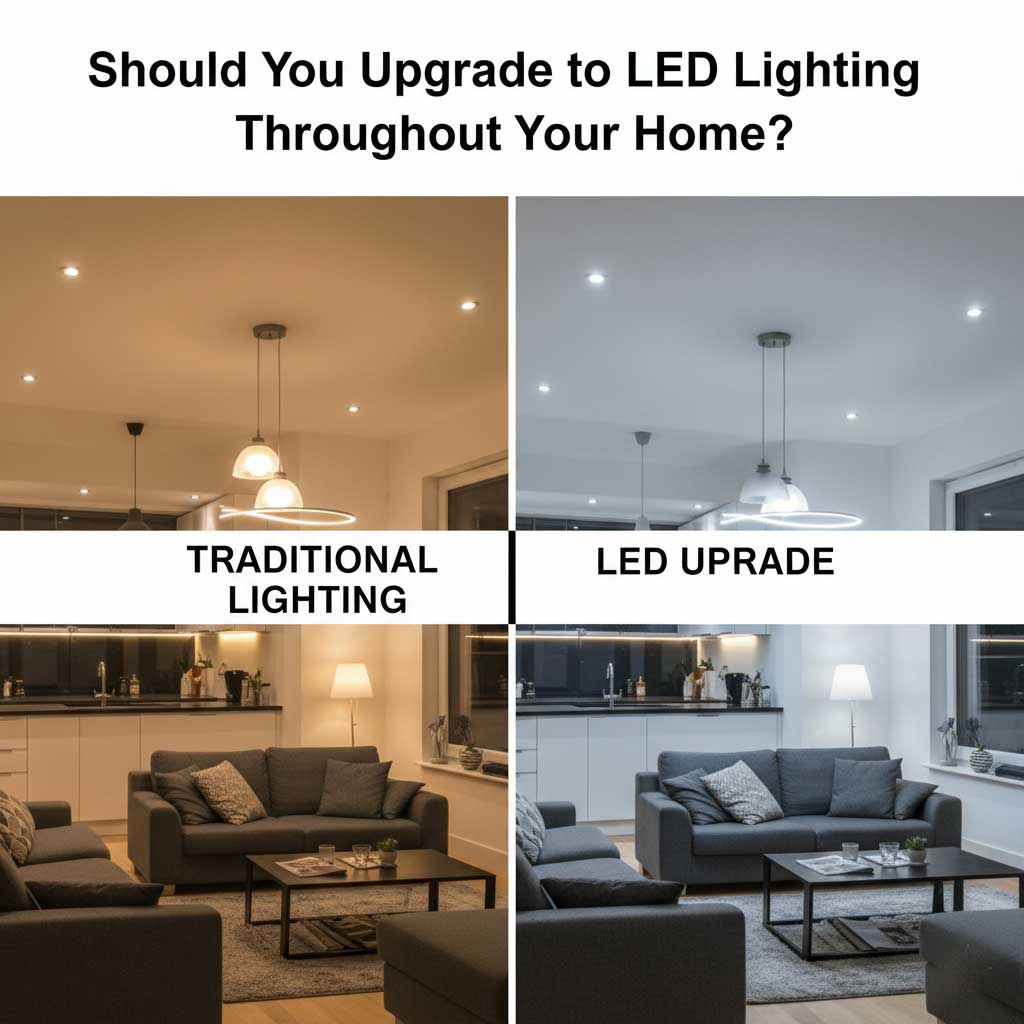
Lighting plays a vital role in creating the right atmosphere and functionality in your home. Many UK households are now making the switch from traditional halogen or incandescent bulbs to LED lighting.
With rising energy costs and growing awareness of sustainability, upgrading to LEDs has become an increasingly practical and attractive option.
LEDs, or light-emitting diodes, are designed to last longer, use far less electricity, and deliver brighter, more efficient illumination. The question many homeowners face is whether it’s worth replacing all your existing bulbs at once.
Understanding the benefits, potential savings, and practical considerations can help you make an informed decision for your home.
Energy Efficiency and Cost Savings
One of the biggest advantages of LED lighting is its superior energy efficiency. Compared to traditional bulbs, LEDs use up to 80% less electricity.
This directly reduces your household’s energy consumption and helps lower monthly bills.
- Significant savings on annual electricity costs
- Reduced energy wastage compared to halogen or incandescent bulbs
- Lower carbon footprint, making your home more eco-friendly
Even though the upfront cost of LED bulbs is higher, the long-term savings make them a worthwhile investment.
Longevity and Reduced Maintenance
Another key benefit of LEDs is their long lifespan. On average, LED bulbs can last 15–20 years depending on usage, compared to just 1–2 years for traditional bulbs.
- Fewer replacements needed, saving time and effort
- Ideal for hard-to-reach fixtures, such as ceiling lights or outdoor fittings
- Consistent performance with less risk of sudden burnouts
This durability means homeowners can enjoy peace of mind without constant maintenance or the hassle of frequent bulb changes.
Better Lighting Quality and Design Flexibility
LEDs offer superior light quality and a wide range of design options. You can choose from warm, soft tones to bright, daylight-style illumination to suit different rooms.
- Dimmable options for adjustable ambience
- Available in various colours and styles for creative interior design
- Instant brightness with no warm-up time, unlike some energy-saving bulbs
This flexibility makes LEDs suitable for kitchens, bathrooms, living rooms, and even outdoor spaces, offering both practicality and style.
Safety and Environmental Benefits
LED bulbs are also safer and more environmentally friendly than older alternatives. They emit very little heat, reducing the risk of burns or fire hazards.
- Free from harmful substances like mercury, unlike some CFL bulbs
- Lower heat output makes them safe around children and pets
- Contribute to reducing landfill waste due to their longer lifespan
By switching to LEDs, you’re not only protecting your household but also supporting a cleaner, greener environment.
Practical Tips for Making the Switch
When upgrading your home to LED lighting, it’s important to plan carefully to get the most out of your investment.
- Replace bulbs in high-use areas first to see immediate savings
- Check compatibility with existing fittings and dimmer switches
- Consider professional installation for larger lighting projects
- Choose trusted brands for reliable performance and warranty cover
Making a gradual switch room by room can spread out the cost while still delivering noticeable benefits.
Why Upgrading to LED Lighting Is a Smart Move
Upgrading your home to LED lighting is more than just a trend—it’s a smart, cost-effective, and sustainable choice for UK households. With energy savings, reduced maintenance, and improved lighting quality, LEDs provide both financial and environmental rewards.
Whether you upgrade all at once or take it step by step, the benefits of switching to LED lighting will continue to pay off for years to come.